Introduction
In today's globe, where power effectiveness is ending up being a top priority for property owners and businesses alike, the heat pump installation has actually emerged as a clever option. Not just do heat pumps provide heating during the cold months, yet they can likewise successfully awesome rooms when temperature levels climb. With advancements in technology and expanding problems regarding environmental effect, choosing heatpump is not simply a fad; it's a conscious option in the direction of sustainability and savings.
But just what makes heatpump installation such a smart choice? This post delves deep right into the ins and outs of heatpump, exploring their benefits, installation procedures, upkeep needs, and exactly how they stack up against traditional home heating techniques. Whether you're taking into consideration mounting one or simply curious about just how they function, you remain in the ideal place.

Heat Pump Installation: A Smart Choice for Energy Efficiency
When we speak about power efficiency in heating and cooling systems, heat pumps usually come to mind. They use power to transfer heat as opposed to generating it with burning like traditional systems. This reliable device permits them to deliver up to three times extra energy than they consume.
What Is a Heat Pump?
A heatpump is essentially a device that moves heat from one area to one more. It can take in heat from the air or ground outside your home and release it inside during wintertime while doing the contrary in summertime. This twin capability is what makes it various from standard cooling and heating systems.
How Does Heat Pump Technology Work?
The procedure of a heat pump involves four primary elements:
Evaporator Coil: Soaks up warm from the environment. Compressor: Rises the temperature of the absorbed heat. Condenser Coil: Releases the heated air into your home. Expansion Valve: Manages the flow of cooling agent within the system.The intermittent procedure allows for both heating and cooling down abilities with minimal power consumption.
Why Pick Warmth Pumps Over Traditional Systems?
- Energy Efficiency: As discussed earlier, heatpump are highly efficient as a result of their technique of transferring rather than generating heat. Cost Savings: Although first costs might be greater compared to standard heating systems, lasting savings on utility expenses make it an economically sound choice. Environmental Impact: Reduced carbon emissions contribute to minimizing your carbon footprint. Versatility: One system can take care of both home heating and cooling requirements throughout the year. Longevity: With proper upkeep, heatpump can last approximately 15 years or more.
Understanding Different Types of Warmth Pumps
Air Resource Heat Pumps
These are one of the most usual kinds that remove warmth from outdoors air even when temperature levels are low.
Ground Source (Geothermal) Warm Pumps
These systems utilize below ground thermal energy and are unbelievably effective but come with higher installation prices as a result of substantial ground excavation.
Water Source Warm Pumps
Ideal for residential properties near water bodies, these systems extract thermal energy from water sources.
Heat Pump Setup Process Explained
Step 1: Analyzing Your Needs
Before https://idshvac.com any type of installment occurs, it's important to examine your particular cooling and heating demands. Consulting with a skilled HVAC contractor can aid establish the appropriate dimension and sort of system for your space.
Step 2: Picking an A/c Company
Selecting a trustworthy HVAC company near you is important for high quality setup. Try to find business with solid reviews like "HVAC Company Boise" or "HVAC Contractor Boise." They ought to have experience in installing various types of a/c systems consisting of furnace replacement or air conditioning service.

Step 3: Preparing Your Home
Ensure that your home's insulation is adequate prior to installment starts. Appropriate insulation optimizes effectiveness by avoiding thermal loss.
Step 4: Setup Day!
On this day, experts will set up exterior and interior devices according to maker specs and neighborhood codes. The process typically consists of:
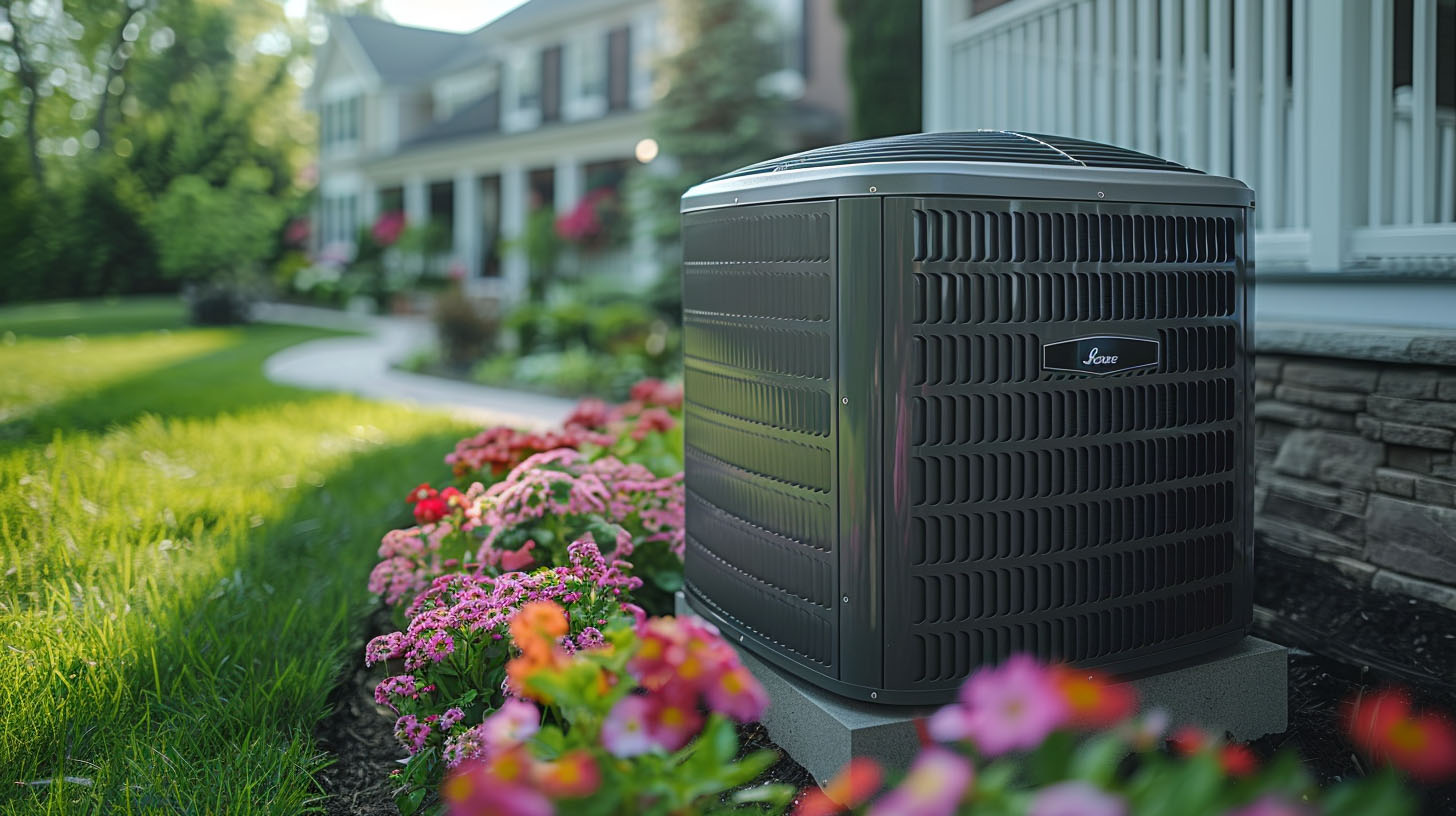
- Mounting exterior units Installing indoor air handlers Connecting refrigerant lines Ensuring electrical links are safe
Step 5: Screening System Performance
Once set up, specialists will certainly run tests to make certain every little thing runs efficiently. They'll check air flow rates, thermostat feature, and total efficiency levels.
Heat Pump Maintenance Tips for Longevity
To keep your brand-new system running successfully in time, routine upkeep is essential:
Schedule yearly HVAC maintenance near you. Change filters every 1-- 3 months. Clean exterior devices regularly. Ensure clear gain access to around all systems for airflow. Keep track of any type of uncommon sounds or operational concerns-- don't be reluctant to ask for emergency furnace repair if needed!Common Mistaken beliefs Concerning Warmth Pumps
Myth # 1: They're Inadequate in Cold Weather
Contrary to this idea, modern-day heat pumps are developed effectively enough to run also when temperatures dip below freezing!
Myth # 2: They're Also Expensive
While first expenses might be more than typical systems, the long-lasting financial savings in energy costs typically outweigh these ahead of time expenses.
FAQs Regarding Heatpump Installation
How a lot does it set you back to mount a warm pump?- Costs differ based upon dimension and kind yet generally array between $3,500 - $8,000 including labor.
- Sizing depends upon square footage; seeking advice from an HVAC contractor near you makes sure specific calculations making use of Hand-operated J methods.
- While DIY setups might be tempting, it's advised to hire specialists for safety factors and warranty protection.
- With correct treatment & & maintenance strategies from an HVAC company Boise location professionals suggest regular checks each year; lifespan commonly ranges from 10-- 15 years depending upon use conditions!
- Yes! Many states supply incentives or tax obligation credit reports for energy-efficient upgrades including mounting certified models so check neighborhood resources!
- Regular filter adjustments & & annual tune-ups by qualified technicians make sure ideal efficiency throughout its lifecycle!
Conclusion
In conclusion, buying a heat pump installation represents not simply an upgrade in home convenience however additionally straightens closely with modern-day worths relating to sustainability and economic effectiveness-- making it certainly a smart selection! By comprehending just how these systems work and recognizing their advantages over standard ones in addition to appropriate aftercare via licensed service providers such as emergency furnace repair choices close by you'll make certain maximum returns on investment while appreciating year-round environment control without breaking checking account down line excessive either way!